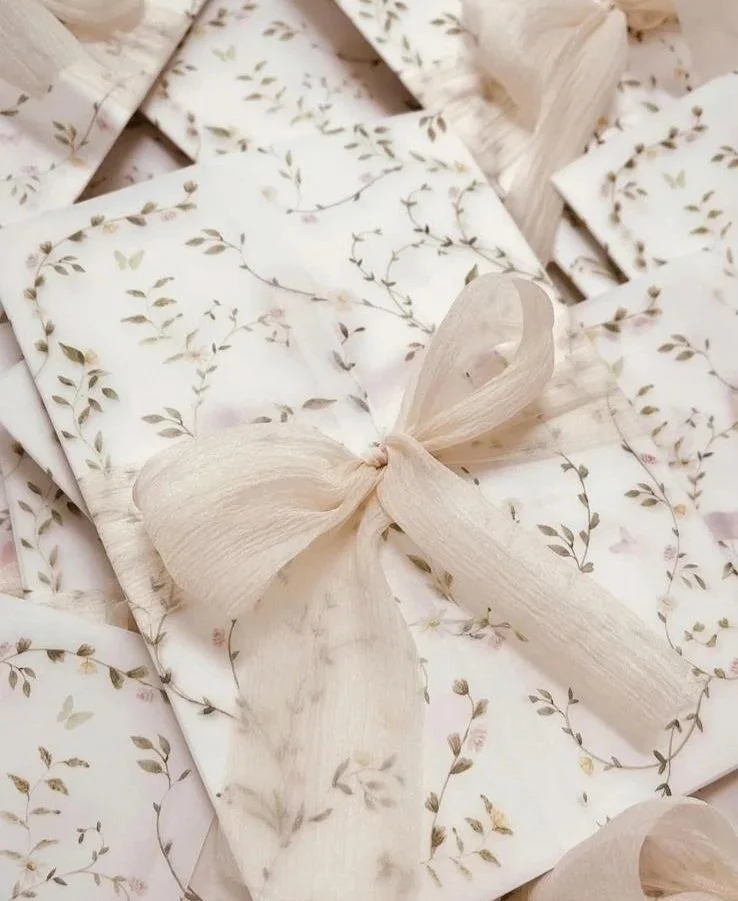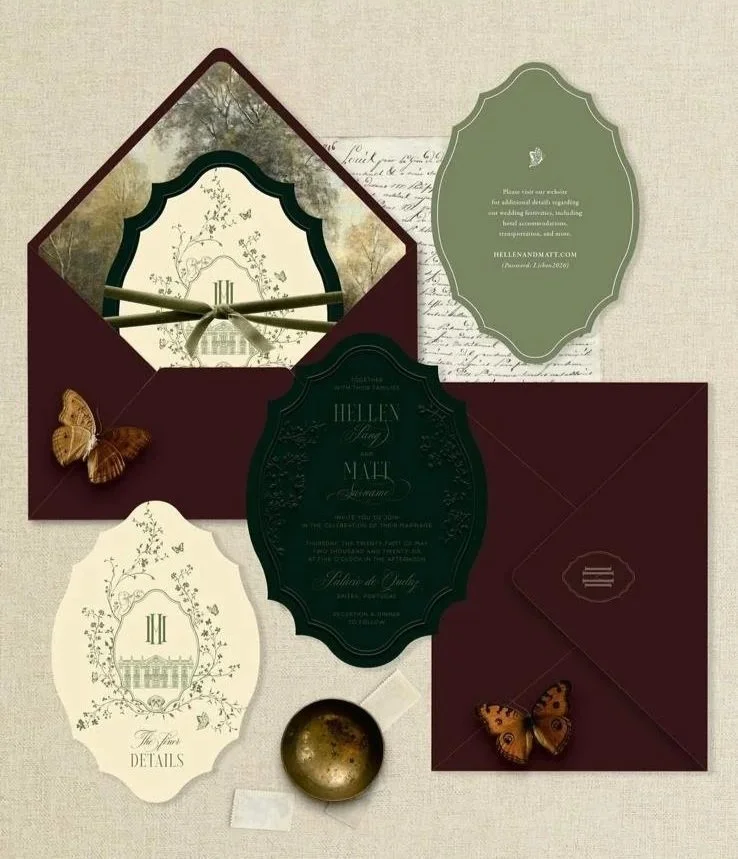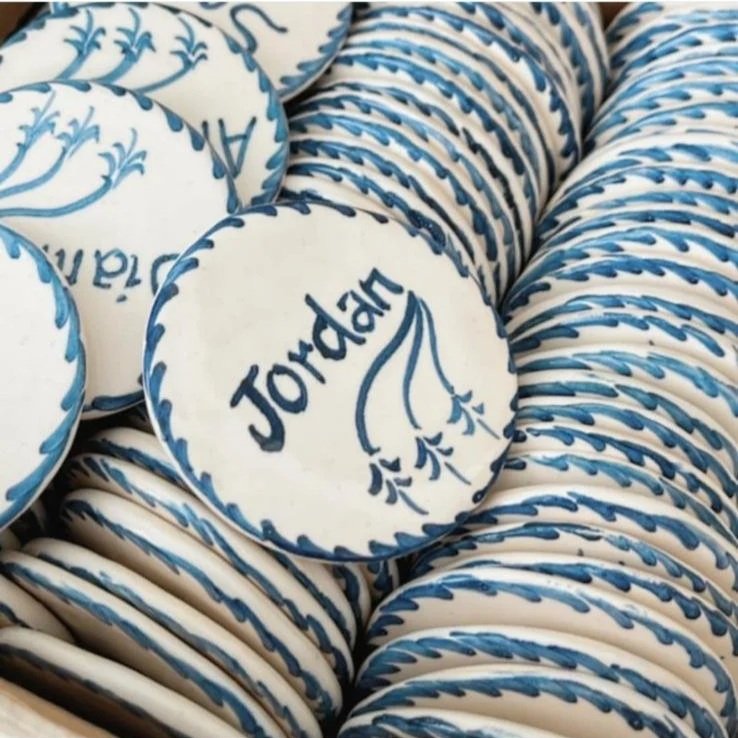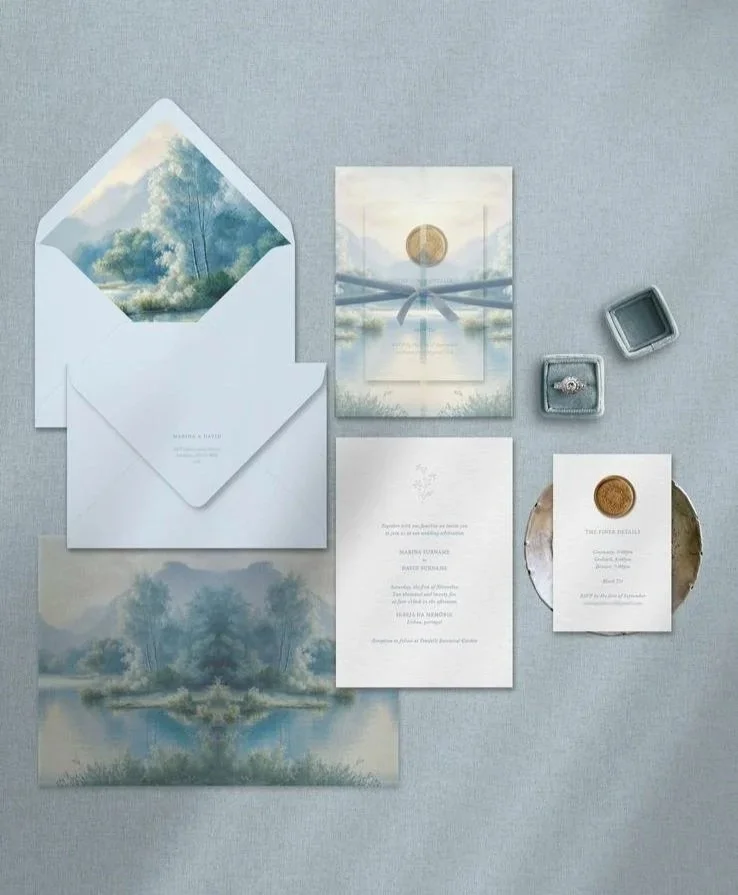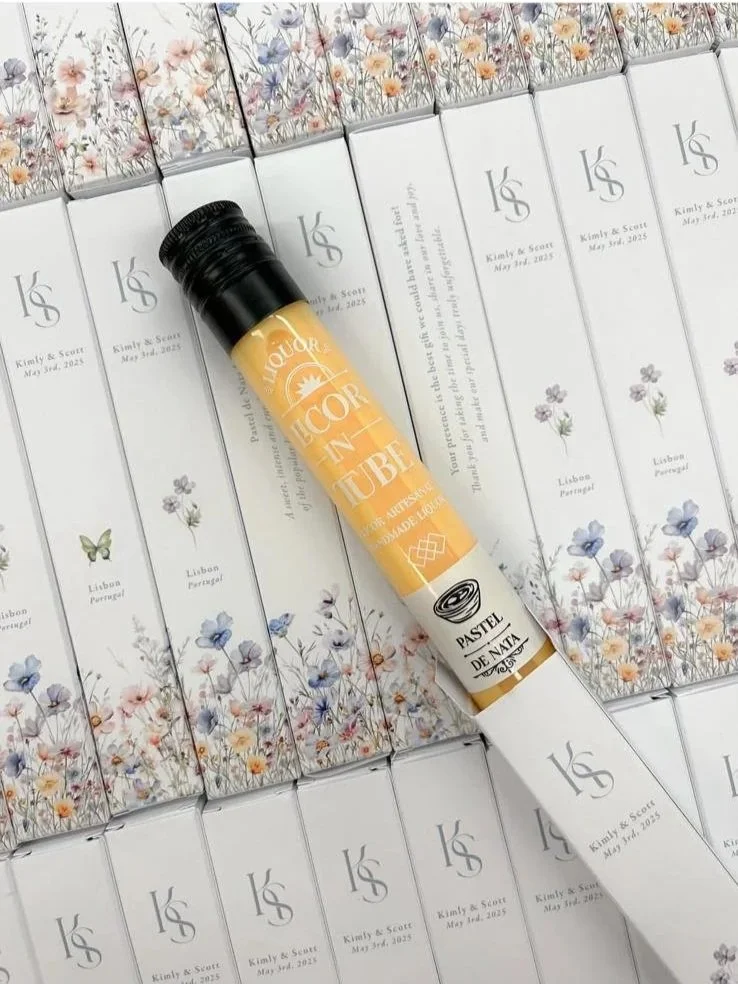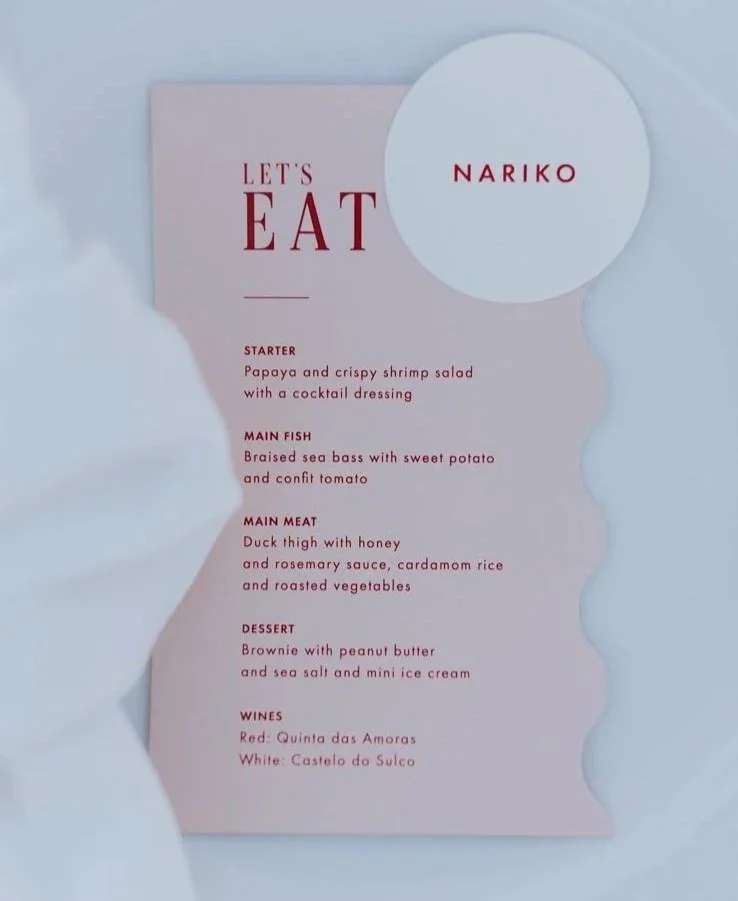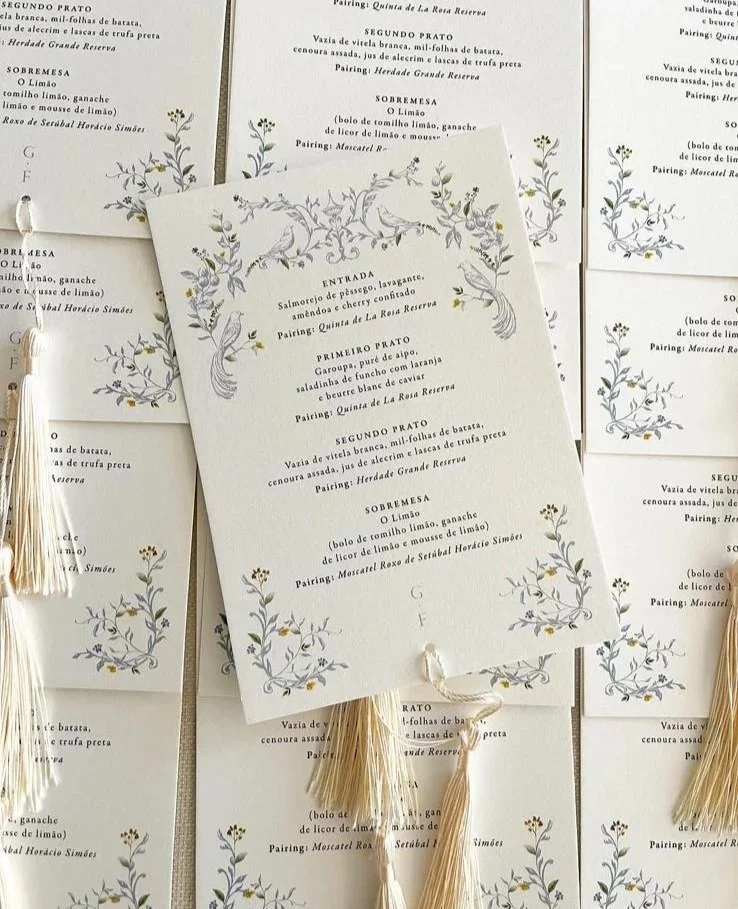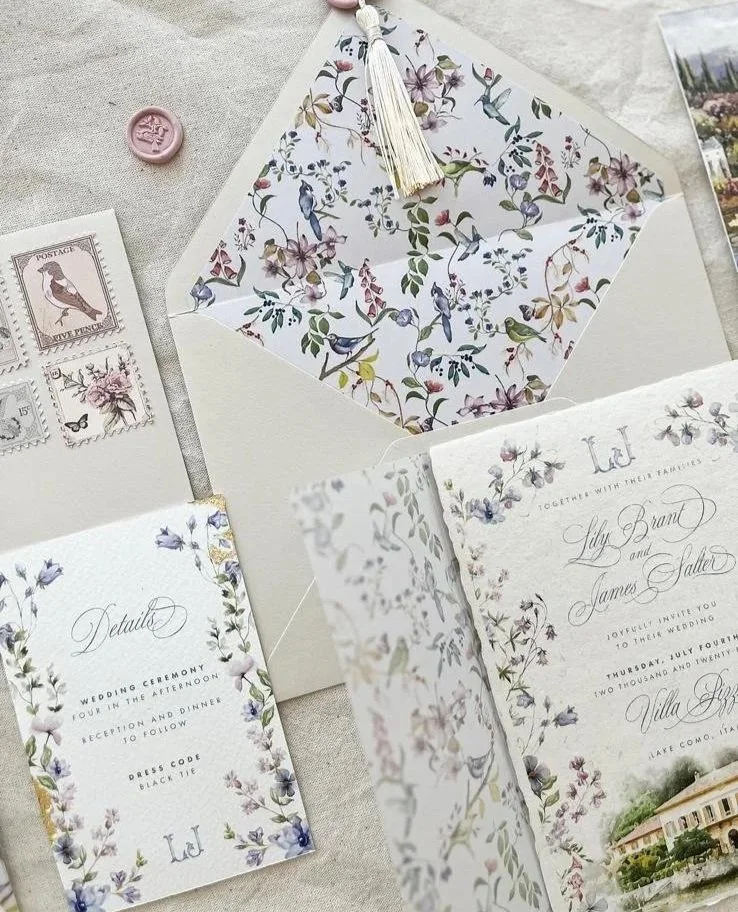
STATIONERY
Molde Design Weddings
We are pleased
to present…
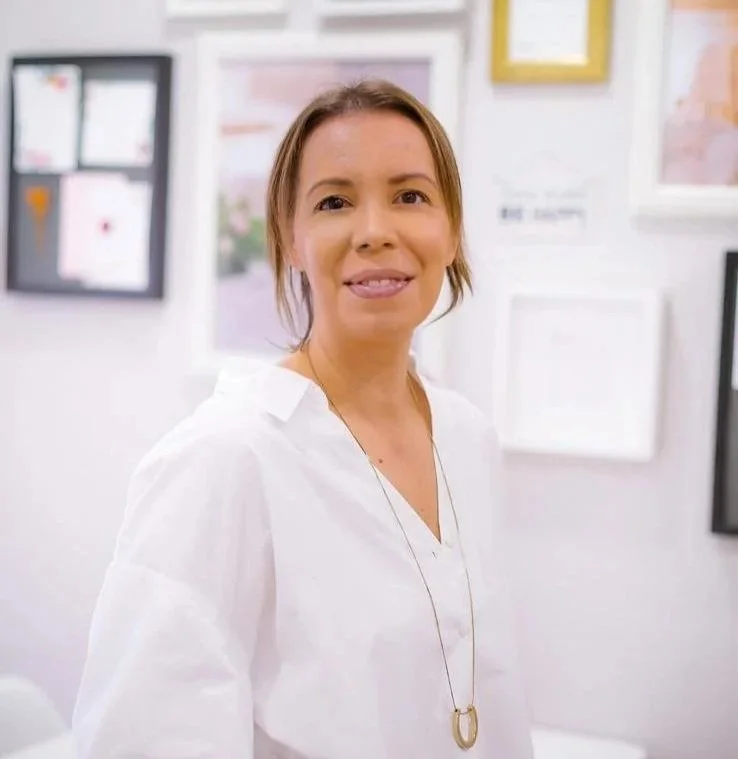
From an early age, Joana Duarte understood that paper could be far more than a surface.
She saw in it a language — a quiet way of giving form to emotion, detail, and memory.
Long before Molde Design Weddings officially took shape, there was already an instinctive sensitivity to composition, materiality, and the way small visual gestures can carry meaning.
With a background in graphic design and experience across creative studios and agencies, Joana found in the world of weddings a space that was still largely undefined in Portugal — a territory where aesthetic sensitivity could gain depth, and where design could become an integral part of the experience itself.
What began intuitively, through invitations created for friends, gradually evolved into an authorial practice dedicated to approaching stationery as an expression of identity.
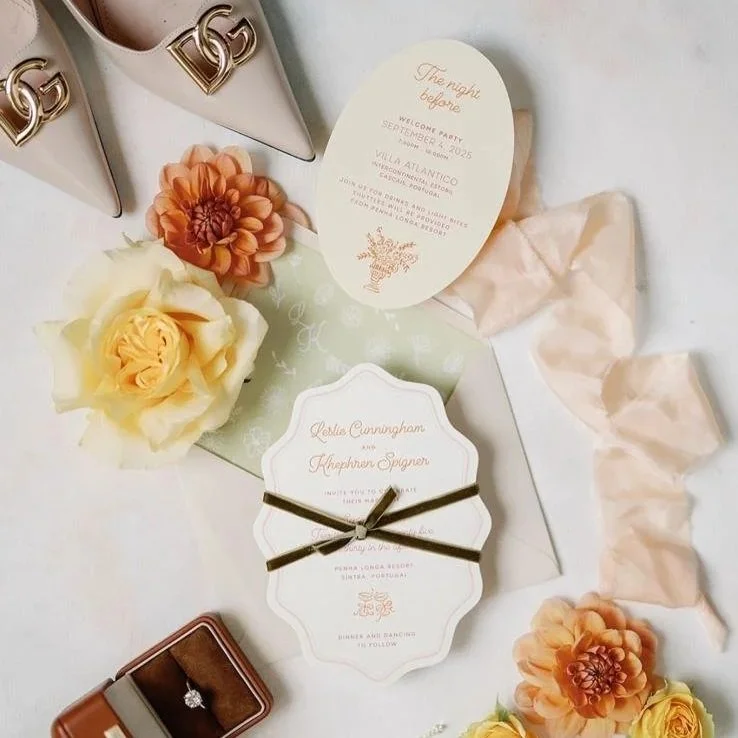
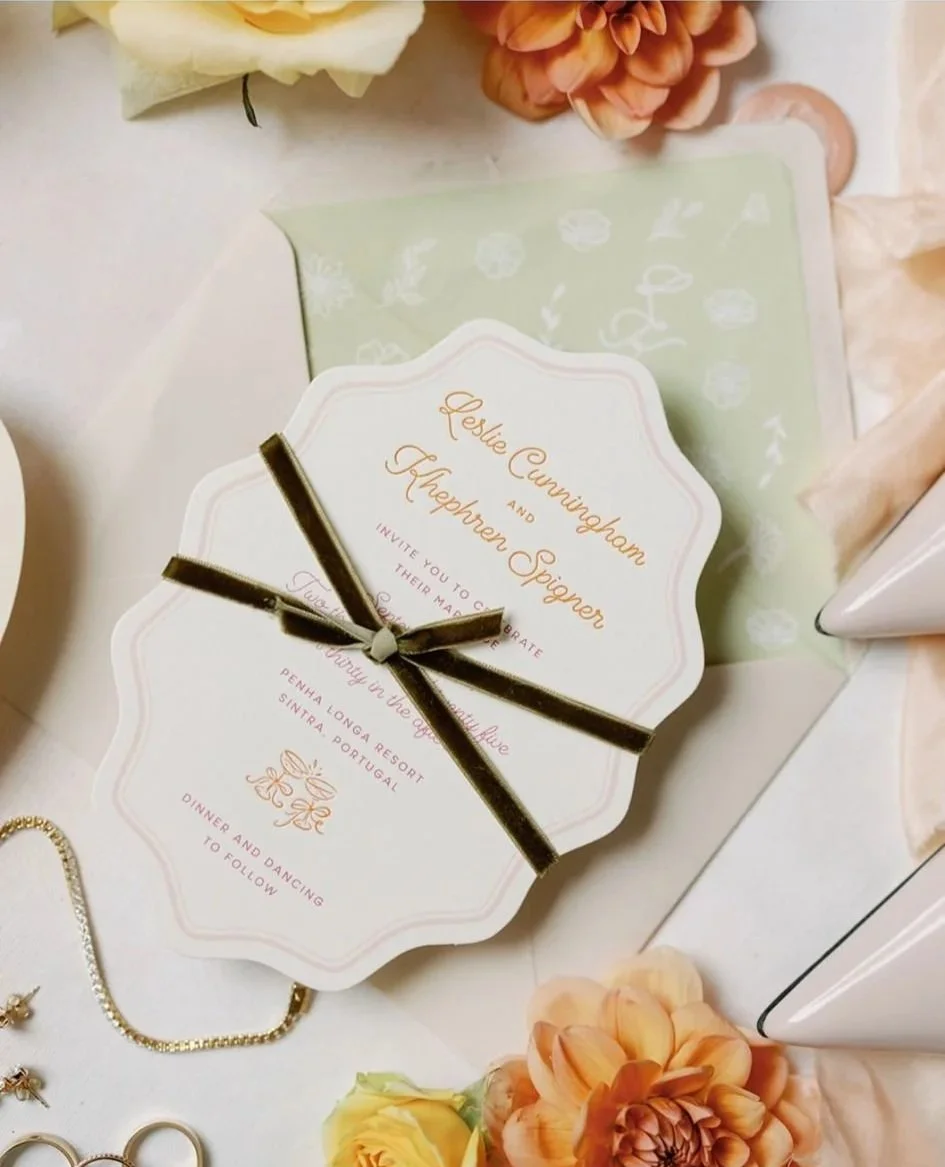
In Molde’s vision, an invitation is never merely informative.
It is the first gesture of hospitality.
The first impression.
The first glimpse into a carefully considered universe.
Before the flowers, before the music, before the atmosphere of the day, it is paper that introduces the narrative — revealing, with subtlety and intention, the tone, language, and essence of the celebration.
Every project begins in the same place: understanding who those two names truly are, and how that identity can take form.
This is where the process becomes deeply curatorial.
From typographic choices to graphic composition, from paper selection to printing techniques and finishes, every decision is made to create a sensory presence that feels clear, coherent, and emotionally precise.
Letterpress, embossing, and hot stamping are never used as purely aesthetic devices.
They introduce depth, weight, texture, and permanence. They transform an object into an experience.
In a time shaped by immediacy and disposability, Joana continues to believe in the value of materiality. In the slow gesture of opening an envelope. In texture beneath the fingertips.
In the quiet permanence of something that moves through time and can still be felt years later.
It is within this tactile, intimate, and lasting dimension that the true power of stationery resides.
Over the years, Molde Design Weddings has developed a distinct visual language — elegant, restrained, and timeless. Here, design does not seek to follow trends.
It seeks to create pieces that belong to the present, yet endure far beyond it.
But what truly distinguishes Joana’s work is not simply formal beauty. It is the way she understands stationery as the thread that quietly holds the entire experience together.
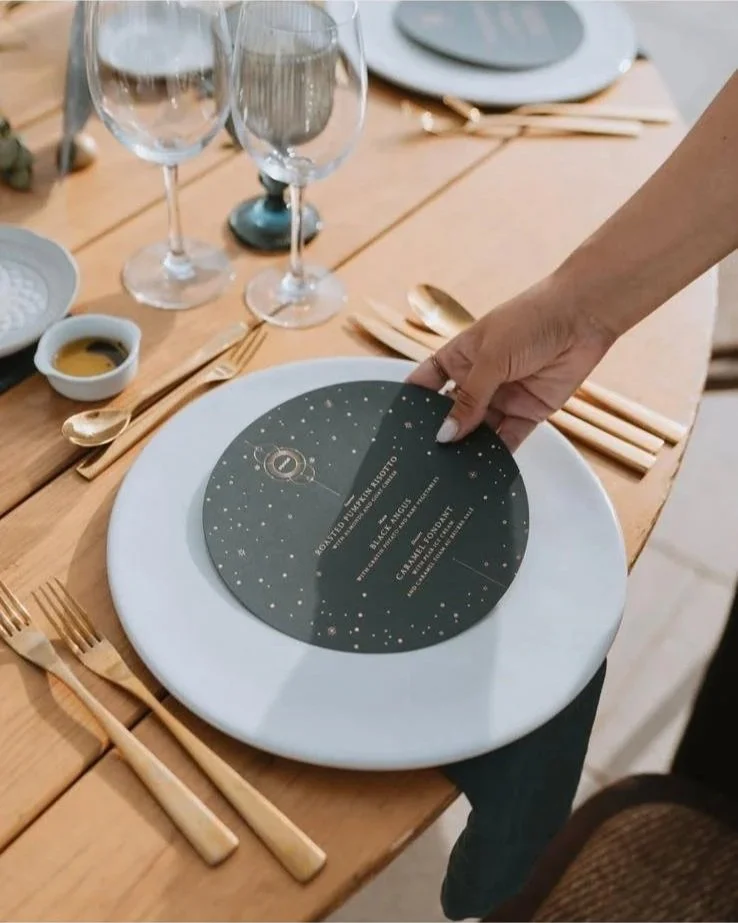
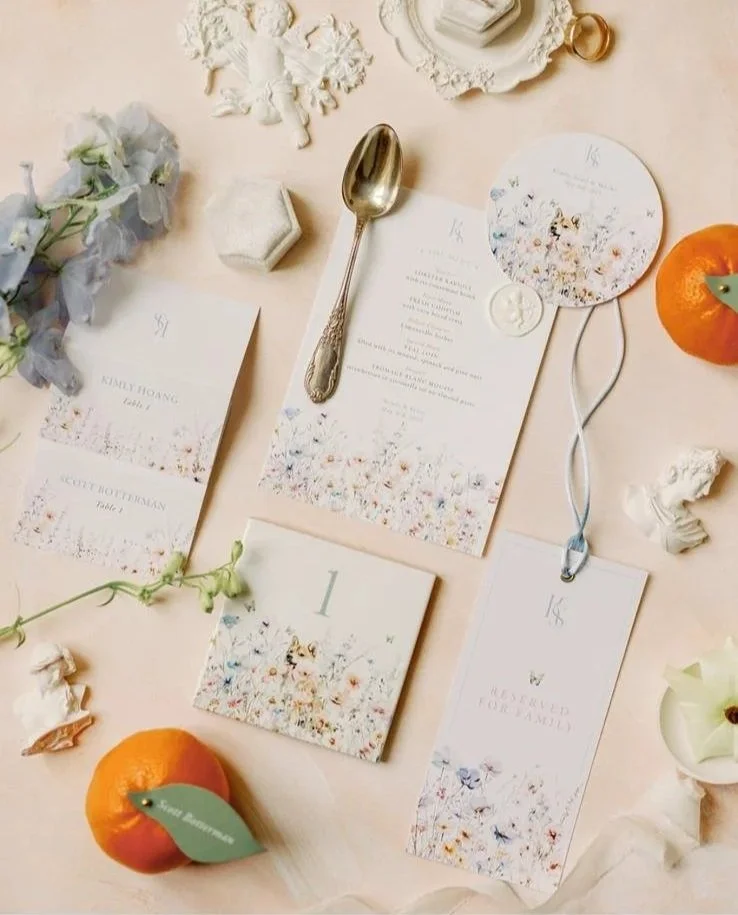
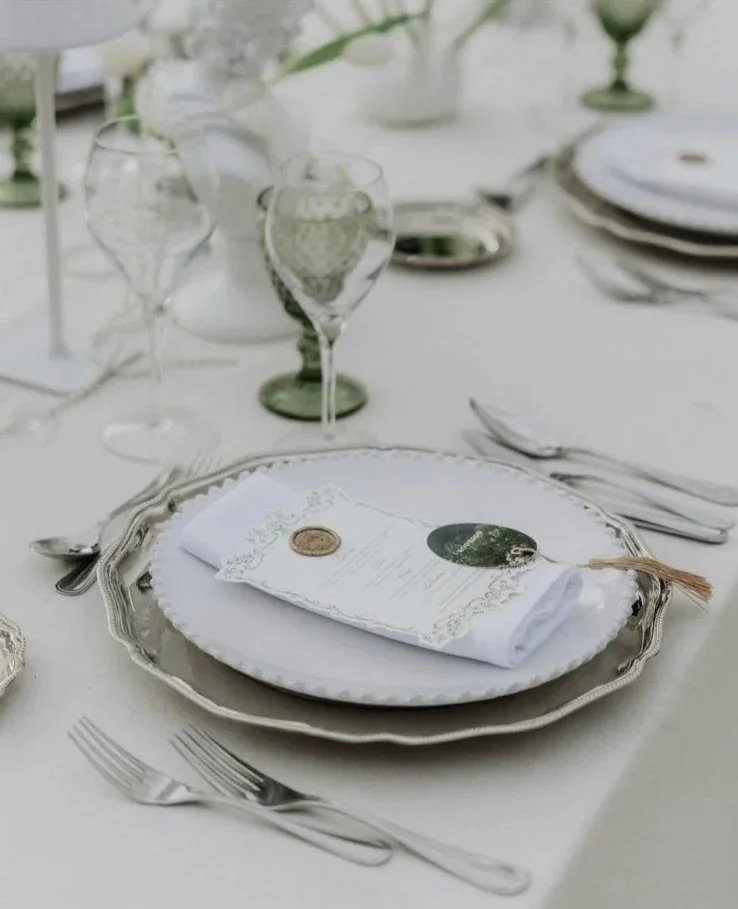
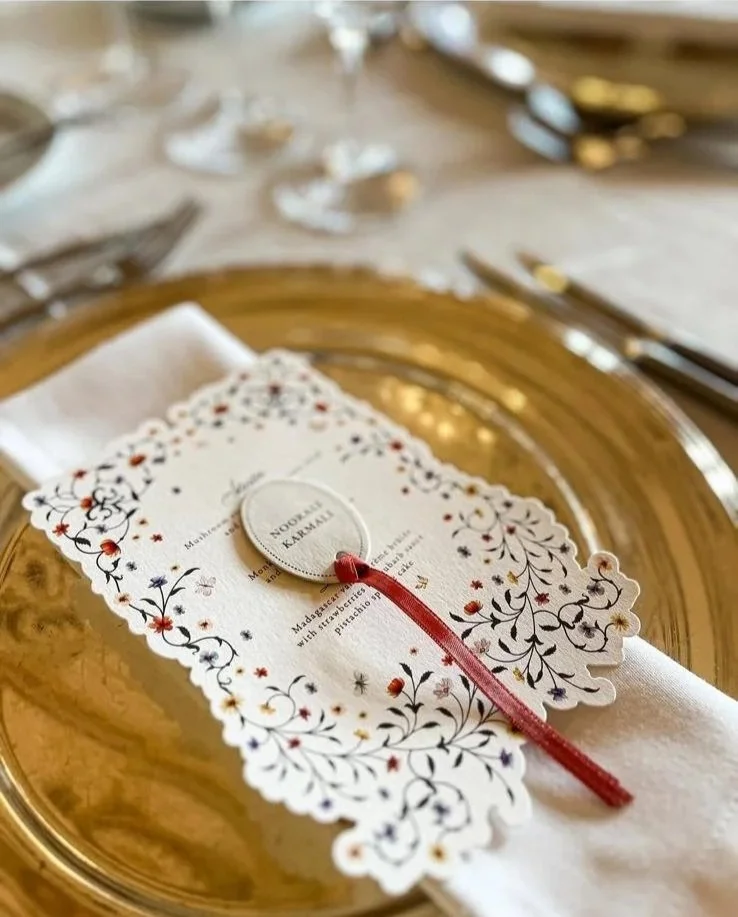
Invitations, menus, place cards, signage, and every other element are never conceived as isolated details, but as fragments of one visual narrative — discreet, yet essential in creating continuity, rhythm, and atmosphere.
With time, her perspective has also matured. Where the focus once lay in responding, today it lies in a more refined act of curation: listening, interpreting, filtering, and guiding.
Not simply executing requests, but helping each couple reveal what is genuinely their own.
At the heart of everything remains the same conviction:
A wedding deserves pieces that do more than communicate — they should endure.
At Molde Design Weddings, paper becomes memory.
And design becomes the quiet expression of a story made to last.
Paper, designed to become memory…
Joana, your journey in wedding stationery began in 2012. What led you to transform paper design into a way of telling love stories?
In truth, it all began even earlier. 2012 was, so to speak, the “official year” when I acknowledged that this was indeed the path.
Back in 2007, together with a friend, I took my first steps in creating wedding invitations. At the time, the market was very different from what it is today — there was very little on offer, both creatively and in terms of production, and there was a clear lack of innovative proposals, thoughtfully conceived and approached in a more “outside-the-box” way.
As a designer, already with experience in studios and creative agencies, I naturally became the person friends turned to whenever they needed invitations for their weddings. That was when I realised the potential of this kind of work — not only because of the creative side, but also because of the opportunity to bring something new to a market that, at the time, was still very underexplored in Portugal.
That “gap” was decisive. I felt it could be an interesting space to create, experiment, and offer different approaches.
That is how paper design gradually became, for me, a way of telling stories — giving new life and a more thoughtful visual approach to something that, until then, had not really been explored in our country.
The invitation is the guests’ first contact with the wedding. How do you approach creating that first impression?
For me, the invitation is without a doubt the most special piece of the entire stationery suite. It sets the tone and becomes the foundation for everything that follows.
Unlike the wedding day itself — where there are countless stimuli and everything works together — the invitation is a single piece, delivered individually, with space to stand out and create a real impact.
I see it as the gateway into the universe of that wedding. It is the guests’ first contact with the couple’s identity and with the atmosphere they will later experience.
For that reason, I believe it should be designed with intention and sensitivity — not simply as an informational piece, but as an experience in itself.
More than simply communicating details and practical information, an invitation should spark curiosity, create anticipation, and evoke emotion. It should reflect the couple’s essence, the style of the event, and, whenever possible, offer subtle hints of what is to come.
In practice, it is a carefully considered and designed teaser.
And contrary to what is often said, I do not believe it is something disposable or easily forgotten. When there is a strong concept, refined aesthetics, and a distinctive creative approach, the invitation gains emotional value — it becomes a memorable piece, often kept as a keepsake.
That is why, for me, the invitation has to be the piece.
In your view, what role does stationery play in the narrative of a wedding?
In my view, stationery is a key element in building the narrative of a wedding.
I like to think of a wedding as an orchestra: each supplier, each detail, each element has its own specific role, and it is the harmony between them that creates a truly memorable experience.
Stationery is one of those voices — discreet, yet fundamental — helping to give rhythm, coherence, and identity to everything that happens.
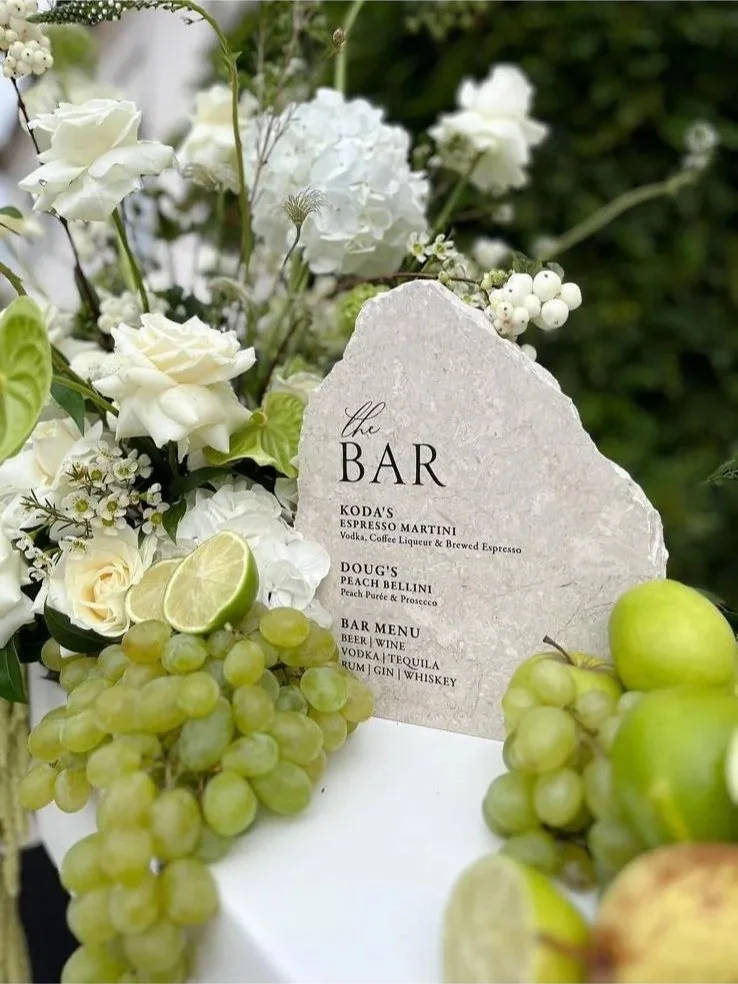
More than simply a collection of beautiful pieces, stationery acts as a visual thread. It is present from the very first moment, with the invitation, and accompanies guests throughout the entire experience — menus, place cards, signage, among other elements.
It helps create continuity, reinforces the concept, and ensures that everything makes sense as a whole.
When thoughtfully designed, stationery not only complements the décor but also translates the couple’s essence in a subtle and consistent way.
It helps tell the story, create atmosphere, and elevate the perception of care and intention in every detail.
Ultimately, it is this attention to the whole — this idea that everything is aligned and purposeful — that transforms the day into an immersive experience, where every element contributes to something greater and more meaningful.
What do you consider essential for stationery to harmoniously connect with the venue, the décor, and the wedding’s identity?
It is important for stationery to harmoniously connect with all of those elements, but in my view, everything begins with the essence of the couple.
It is essential to understand who they are, what defines them as a couple, and how they wish to translate that into their day.
From there, alignment becomes fundamental — not only with the couple, but also with the other suppliers and, above all, with the wedding planning team.
When there is communication and a shared vision, it becomes much easier to ensure that all elements “speak the same language” and contribute to a cohesive final result.
The venue and the décor also play a decisive role. Stationery should complement and enhance the atmosphere, never compete with it.
It can, for example, draw inspiration from the materials present or subtly reflect the mood of the space.
For me, consistency is key.
From the invitation to the day-of pieces, there should be a visual and conceptual continuity that ties all the moments together.
That coherence is what creates a fluid and thoughtfully curated experience, where every detail feels part of a greater whole.
Ultimately, it is about balance — between aesthetics and functionality, creativity and context.
When all of these elements naturally come together, stationery stops being merely a detail and becomes an integral part of the wedding experience.
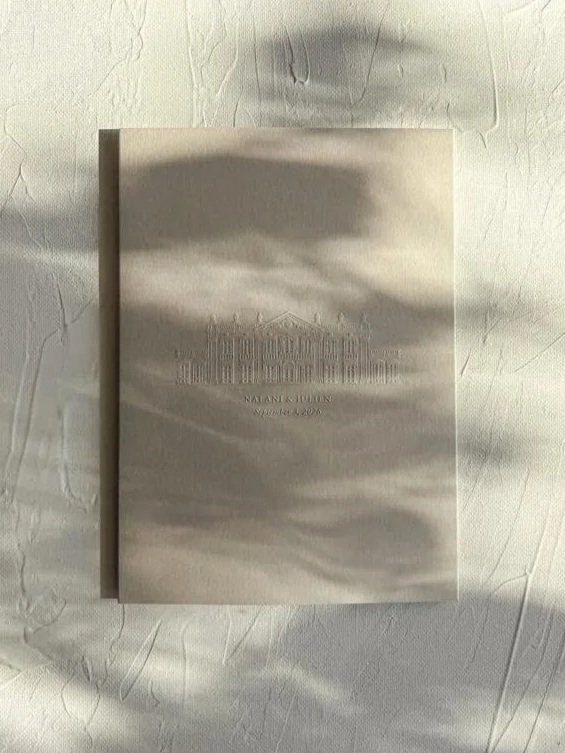
Paper, printing techniques, and finishes seem to play a major role in your work. How do you choose the materials that will become part of each project?
The choice of paper, printing techniques, and finishes is always made according to each project — its identity, the creative concept, and, of course, the available budget, which inevitably becomes a determining factor.
Even within those variables, I always try to find solutions that elevate the piece and give it character.
I have a particular preference for more traditional techniques — those that celebrate craftsmanship, expertise, detail, and the time devoted to each element.
Techniques such as letterpress, embossing, or hot stamping, for example, bring a unique sensory dimension.
They are not purely visual — they invite touch, create texture, and make the experience richer and more memorable.
For me, stationery should be an experience from beginning to end — everything matters.
And the more layers of detail and technique there are, the more one can feel the care and intention behind each piece.
As a designer, it is precisely this connection between creativity and production that excites me most: exploring ideas and giving them form through materials and finishes that enhance them.
It is in this balance between concept and execution that a project comes to life and becomes truly special.
In an increasingly digital world, physical invitations still hold a very special meaning. What do you believe still makes paper so powerful in the way we communicate important moments?
I openly admit that I belong to the “old world.”
There is something about paper that digital will never be able to replicate — the physical experience, the touch, the weight, the texture, the gesture of opening and discovering.
I love that sensory dimension, the possibility of living with and savouring an object with time and attention.
At a moment as special as a wedding, receiving an invitation in your hands remains, to me, one of the most beautiful and meaningful forms of communication.
There is an implicit care, an intention that can be felt in every detail — from the choice of paper to the finishes, and the way everything is presented.
Paper also has the power to resist the fleeting nature of things.
In a world where everything is fast, disposable, and easily forgotten, a physical invitation remains.
It is kept, revisited, often transformed into a tangible memory of that moment.
And since a wedding is such a unique and deeply special moment in people’s lives, I believe it deserves equally unique pieces — thoughtfully created, designed with sensitivity, and able to authentically reflect the essence of those living it.
More than a means of communication, it is an object with emotional value.
And that is precisely what makes it so powerful: its ability to create a more intimate, lasting, and human connection with the person who receives it.
Wedding design often follows trends. How do you ensure the pieces you create remain elegant and relevant over the years?
It is inevitable that wedding design follows trends — they are part of creative contexts.
However, my focus is never to follow them directly, but rather to understand them and, whenever possible, filter them with discernment.
What I strive to create are timeless pieces.
And that begins, once again, with the essence of the couple: when design is born from something authentic and personal, it naturally becomes more enduring.
Of course, some couples are more open and flexible than others when it comes to references and trends.
My role as a designer is also to guide and advise — to share my perspective, bring clarity, and help find solutions that make sense not only in the present, but also in the long term.
The choice of classic typography, well-structured compositions, and quality materials all help build that sense of permanence.
These are decisions that do not depend on a specific moment, but on solid and consistent design principles.
At times it can be challenging, but it is ultimately about finding a balance between the present and the timeless — creating something that feels current today, yet will still be seen with the same elegance many years from now.
Do you have a personal design rule that you always follow when creating wedding stationery?
I would not say I have rigid rules, but there are principles I follow consistently in every project.
Pieces can be very beautiful, but if there is no balance between aesthetics and functionality, between creativity and legibility, the design loses strength and clarity in the way it communicates.
To that, I add the importance of maintaining coherence throughout the visual language — that is what creates a more immersive and carefully considered experience throughout the event.
They may seem like small details, but they are not.
When everything is well thought through, that consistency truly makes all the difference in the final result.
These are the details that elevate the design and reveal the care placed into each project.
And above all, there is one “rule” that is always present: the design should genuinely reflect the couple.
Because in the end, that is what makes each project unique.
Is there any artistic style or design movement that has particularly shaped your journey?
I would not say there is one specific artistic style or movement that has shaped my path in isolation.
My inspiration comes from many different places — different disciplines, references, and visual languages that I encounter over time.
I value that freedom of not being tied to a single style.
It allows me to adapt my approach to each project.
Ultimately, my process is much more about observing, absorbing, and then translating all of that into something coherent and personal.
Because each project asks for something different, and that diversity is what keeps the work interesting and constantly evolving.
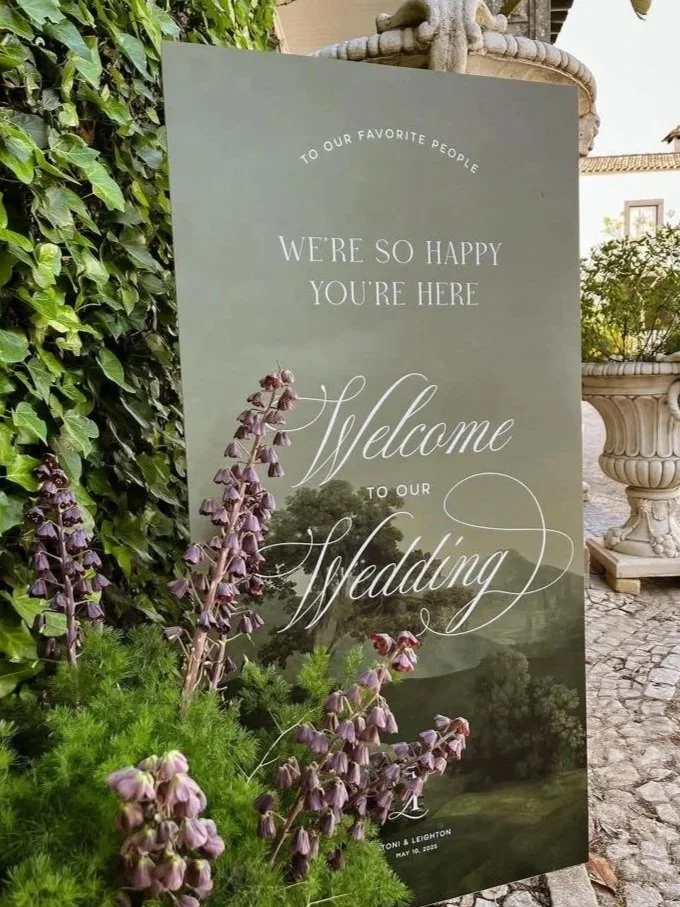
If you had to define the essence of Molde Weddings in one sentence, what would it be, and why?
Creating visual identities that give shape and emotion to love stories.
Because that is exactly what it is — translating feelings into paper, detail, and experience.
Are there any future plans for Molde Weddings that you can share with us?
My mind never stops — it is a recurring problem — and I always have a thousand ideas and plans happening at once.
But to be very honest, at this moment I do not have one single defined plan for the future of Molde.
There are several things in development, and others that arise naturally, both on a personal and professional level, but without a fixed deadline or a completely closed path.
I like leaving space for ideas to mature and make sense in their own time, if that is meant to happen.
Ultimately, there is a continuous yet organic evolution — guided by experience, projects, challenges, and the people I have the privilege of working with.
What did Joana consider essential at the beginning of her journey that she sees differently today?
I would say that my relationship with couples is what has changed and evolved the most over the years.
At the beginning, there was perhaps a stronger tendency and concern to respond directly to everything that was requested, with less filtering.
Over time, that approach has evolved.
Today, there is much greater maturity in the process — not only listening, but also advising, filtering, and guiding, taking on a more conscious role of creative curation.
At the same time, my understanding of time and detail has also changed.
Today, I value the process itself much more — the care placed into every decision.
I realise that these are precisely the aspects that often elevate a project and give it true consistency and longevity.
Has there been any feedback from a couple that particularly marked your journey?
I have received many positive pieces of feedback that helped me gain confidence, strength, and above all, the courage to take bigger steps that brought me to where I am today.
I would not say there is one in particular, but rather a collection of people and experiences that, cumulatively, have shaped my journey.
Even the more challenging feedback has played an important role.
It has always helped me learn something new, rethink approaches, and evolve.
Ultimately, it pushed me out of my comfort zone and helped me grow, both creatively and professionally.
What continues to move you in this universe after so many years working with weddings?
What continues to move me in this world is its deeply creative nature, and the privilege of being part of moments where real emotion exists — where the heart is always present.
I love being able to contribute to beautiful stories, to take part in an experience that is at once intimate and unforgettable.
It is a profession of great responsibility, but also of great dedication and reward.
There is a constant balance between high expectations, a certain dose of madness, sensitivity, and the opportunity to create something that will live on in people’s memories.